 Electron Apps
Field notes
Smart thermostat callbacks are eating your August
A no-cool call in July is a no-cool call. A thermostat call in August is usually something else, and it is taking a bigger share of the board every year.
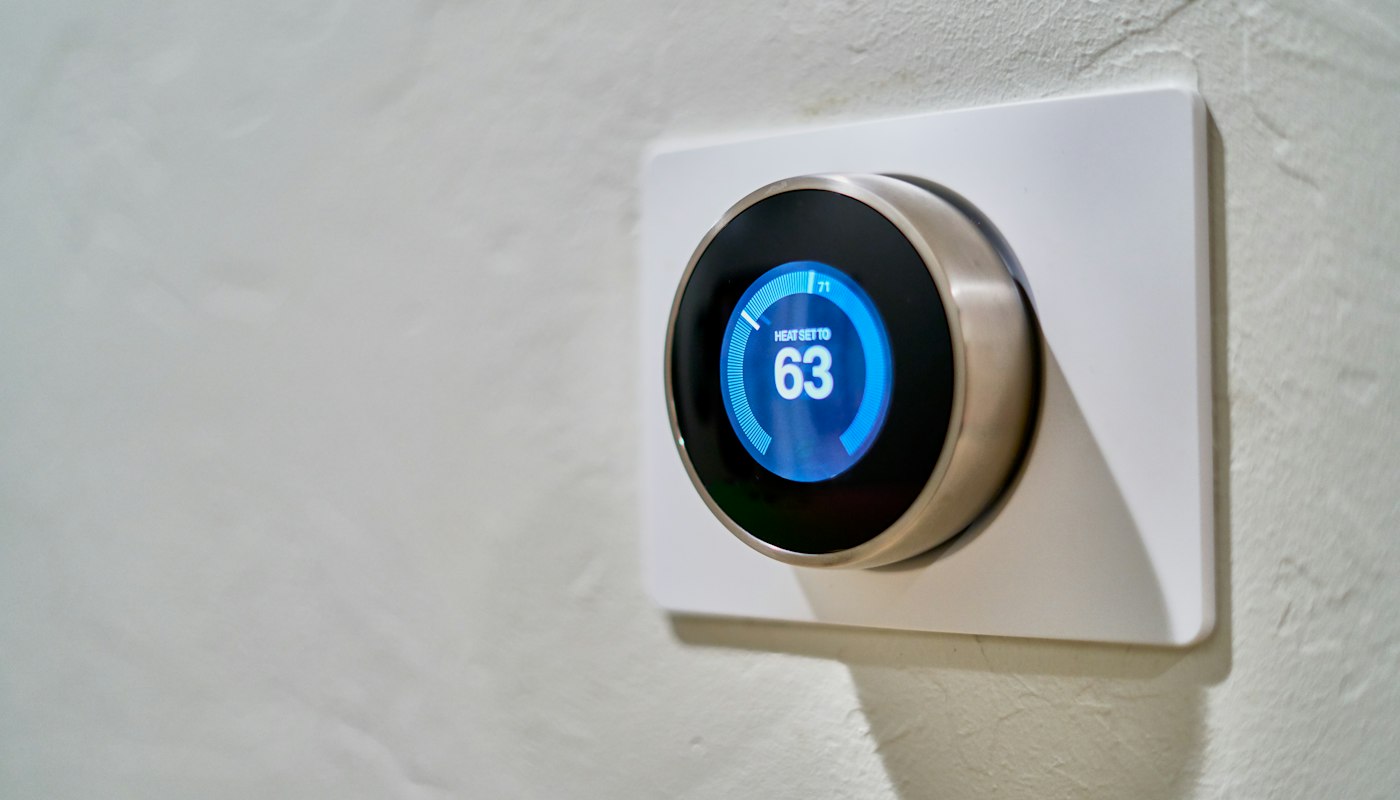
Every summer I pull job data from the shops that let us use it in aggregate. This year that was 312 HVAC shops, all US, mostly between 6 and 40 trucks. I was looking for something else when the thermostat numbers jumped out.
In June through August 2023, jobs where the tech's close-out note mentioned a smart or Wi-Fi thermostat made up about 4 percent of residential service calls. In the same months of 2026 it was just over 11 percent. And of those calls, a little more than half ended with no equipment fault found. The system was fine. The thermostat, or the app, or the homeowner's Wi-Fi, or a utility demand-response event was the problem.
What these calls actually are
We read a sample of 400 close-out notes by hand. That is the only way to get at this, because nobody codes "customer's router reset overnight" as a cause. Here is roughly how they broke down:
- About a third were schedules or setbacks the homeowner did not know were set, often after a firmware update.
- About a fifth were utility demand-response events. The thermostat was enrolled in a program, the utility raised the setpoint on a hot afternoon, and the homeowner called a contractor instead of checking the app.
- About a fifth were wiring issues from installs: no C-wire, a power-stealing thermostat browning out the control board, or a common wire landed wrong.
- The rest were a mix of Wi-Fi drops, dead batteries, and genuine equipment problems that happened to involve a thermostat.
The wiring group is the one that matters most for your margins. Those are real callbacks, often on installs your own team did, and they are rarely billable.
Why they hurt more in August
In July the board is full of real failures. Capacitors, contactors, refrigerant leaks. In August, call volume is still high but the easy failures have mostly happened. Thermostat calls fill the gap, and because they come in as "no cool," dispatch treats them like emergencies. A tech drives 25 minutes to discover a vacation hold.
The shops in our data with the highest share of thermostat calls lost, by our rough estimate, between 4 and 7 truck-hours a week to them during peak.
What the better shops do differently
A few of the shops with the lowest thermostat call share have habits worth copying.
They screen on the phone. Two shops in Charlotte and one in Tulsa have their CSRs ask three questions before booking any no-cool call: Is the thermostat display on? Does it say anything about a schedule, hold, or utility event? Is the outdoor unit running? Their thermostat call share was under 5 percent this summer.
They tag installs. When a tech installs a smart thermostat, the job gets a tag and the model goes into the equipment record. If that house calls within 60 days, dispatch sees it and routes to the installing tech or a lead, not whoever is closest.
They charge for the visit. One shop owner put it plainly: if the system works, the diagnostic fee still applies, and they say so on the phone. Callbacks from their own installs are free. Everything else is a normal service call.
What we changed in Electron
We shipped two things in the 8.14 release on August 12.
First, a "Thermostat" equipment type with fields for brand, model, C-wire present, and utility program enrollment. It shows on the dispatch card, so the person booking the call can see that the house has a smart thermostat installed last spring by your own team.
Second, an optional call-screen checklist for CSRs. You write the questions. Electron prompts for them when the job type is no cool or no heat, and the answers land in the job notes the tech sees before they leave.
Neither is clever. Both came from watching what the good shops were already doing on paper.
One thing to try this week
Pull your last 30 days of no-cool calls and read the close-out notes for any that mention a thermostat. Count how many found no equipment fault. If it is more than one in ten, your phone script is the cheapest fix you have.
If you want help pulling that report in Electron, email me directly. I still answer these.
If this is the problem in your office, book a walkthrough or email danap@electronapps.com.